




Arthritis, stiff joints and slow mornings
When getting up takes your dog longer than it used to
Pick the situation that sounds most like your dog's and find out what it is, what can cause it and which signs to look out for.
Third-party lab tested30-day money-back guarantee
4,98/5 · 102 verified reviews
Our customers notice:
-
 Gets up more easily
-
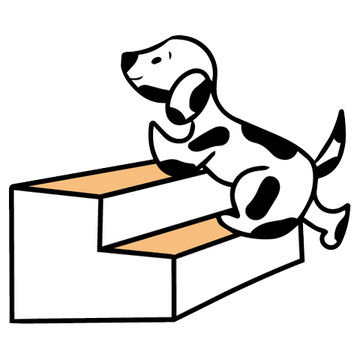 Takes the stairs again
-
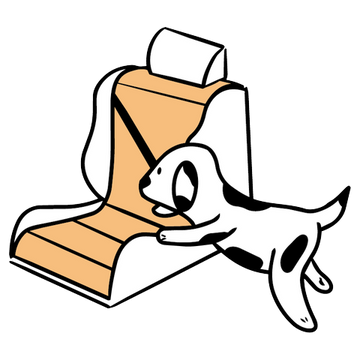 Jumps into the car again
-
 Longer walks
-
 More playful
Recommended for Arthritis / joint wear


What is your pet going through?
Arthritis / joint wear
Arthritis is a progressive process in which the joints deteriorate, which can affect movement and cause discomfort.
What might you notice?
- Difficulty getting up
- Limping or a change in the way they walk
- Less interest in running or playing
- Stiffness, especially after resting
- Reduced mobility
- Muscle loss around the joint
Reduced mobility / stiffness
This is when a dog or cat finds it harder than usual to move normally or to make certain movements.
What might you notice?
- Struggles to get up after sleeping
- Walks more slowly
- Avoids stairs or jumping
- Less keen to play
- Moves more stiffly
- Avoids certain movements
Joint discomfort
Discomfort related to a joint that can make the animal move less or change the way it uses that area.
What might you notice?
- Less activity
- Limping
- Stiffness
- Avoids climbing stairs or jumping
- Difficulty getting up
- Changes in behaviour or less interest in usual activities
Recovery / after surgery
The period after a procedure in which the animal needs to rest and gradually recover its mobility and usual routine.
What might you notice?
- Sleeps more or is less active
- More limited movements
- Needs to rest
- Less interest in playing
- Sensitivity or discomfort around the operated area
What other owners say
4,98/5 · 102 verified reviews
★★★★★
Full of life now
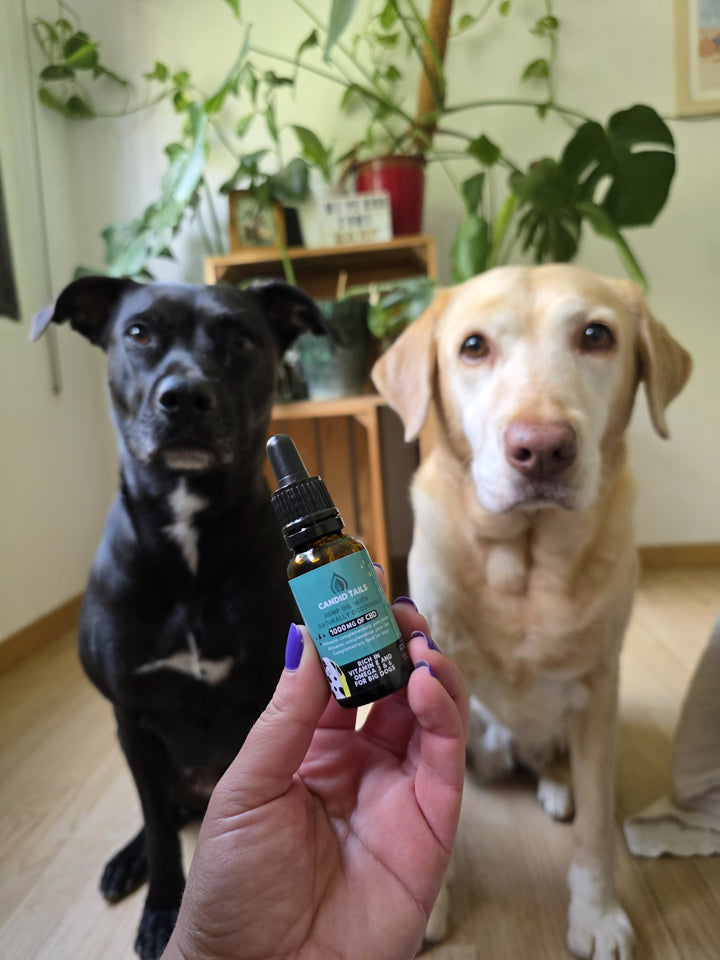
Josie & Flap, my senior dogs, used to be low-energy, but since trying Candid Tails’ drops, they’ve become playful and full of life!
★★★★★
Increased playing
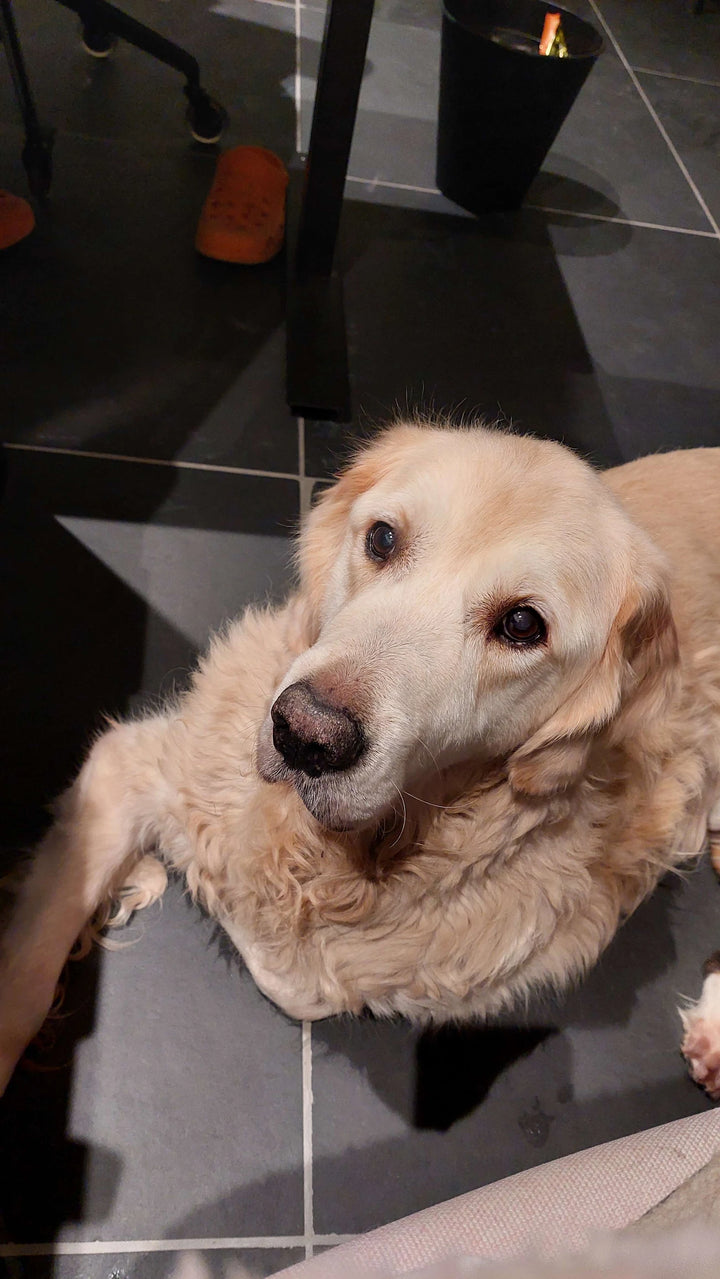
We are incredibly happy! Our vet suggested the oil for our 11-year-old Golden. We've seen increased playing and more comfortable movement.
★★★★★
Better quality of life
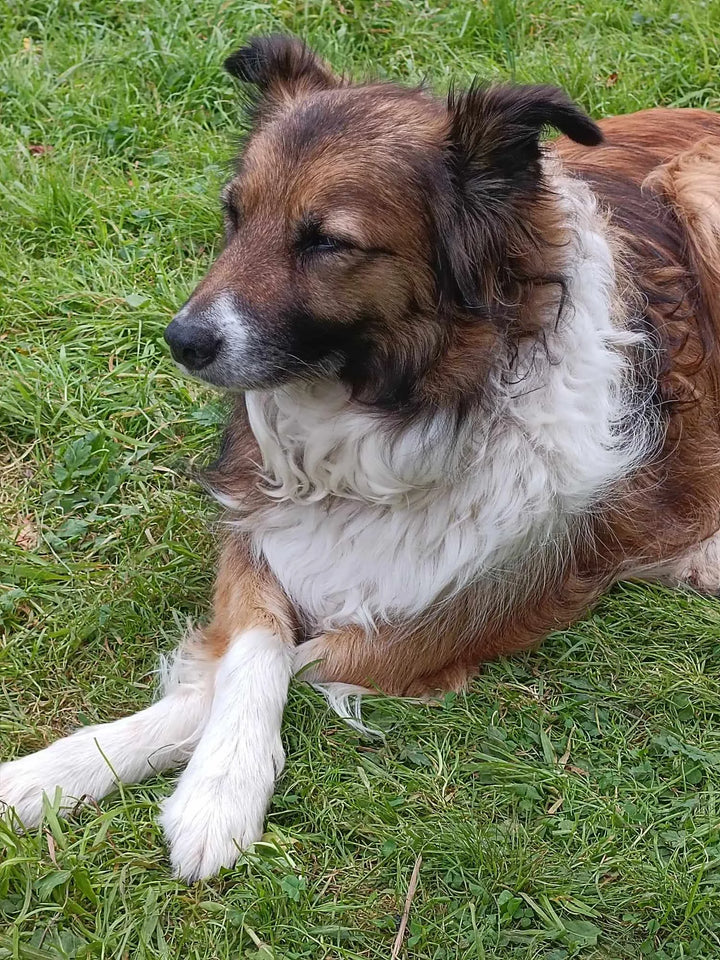
Summer, my 10-year-old Border Collie, needed support for her joints. Since using the drops, she is more active and plays readily again.
★★★★★
Awesome products
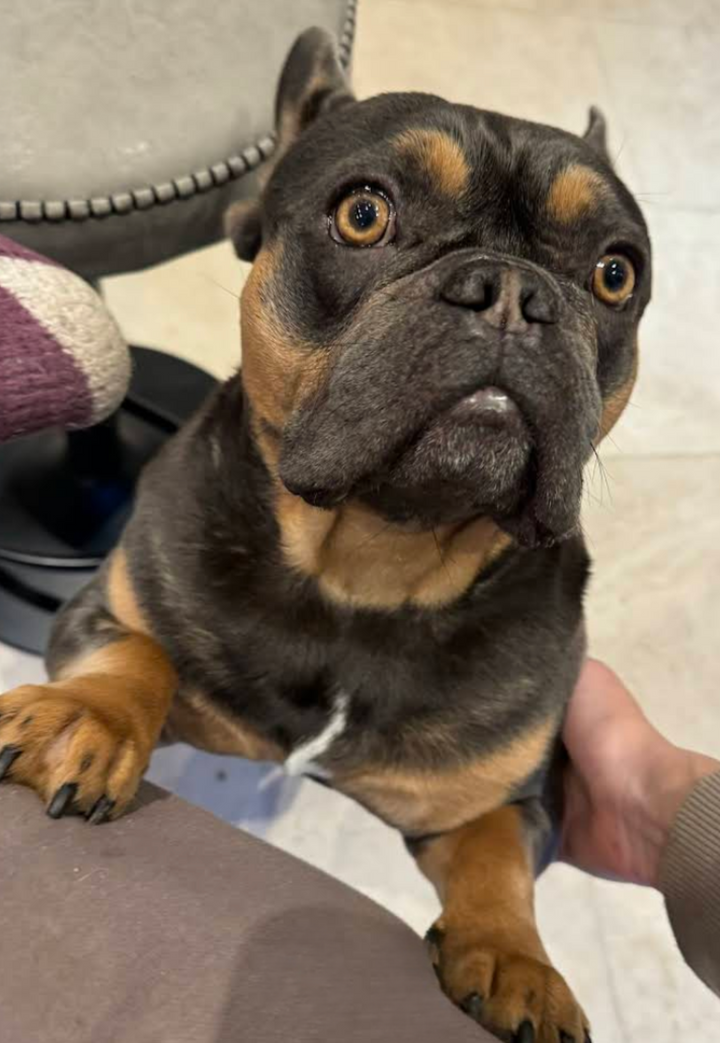
I’m so happy with how well the oil has worked for Teddy, he’s much more comfortable and noticeably more relaxed!

★★★★★
Delivers on its promise
Great products that do what they promise. The oil helps calm my dogs—especially during fireworks. Mobility snacks keep them agile.
★★★★★
A big difference after one week
We've been giving Candid Tails to Moustache for a week now. He's jumping in and out of the car by himself again for his daily walk, and he's already 13 years old!
Frequently asked questions
Need a day-by-day plan? Follow our step-by-step protocols.
How do I get started?
- Choose the strength for your dog's weight. Small, medium or large. Every product page has a quantity table by weight.
- Give it every day. With food, directly in the mouth or as a snack. Consistency matters more than timing.
- Watch for the signs you recognised. Most owners notice changes within 2 to 4 weeks. Not convinced after 30 days? Money back.
At what age should I start looking after my dog's mobility?
There is no set age. If you notice more stiffness, less activity or difficulty getting up, it may be a good moment to start.
Is it normal for my dog to be stiff after sleeping?
It can happen with age or when there is joint discomfort. If it happens often, keep an eye on other changes in their mobility.
Can I use mobility products even if my dog doesn't have arthritis?
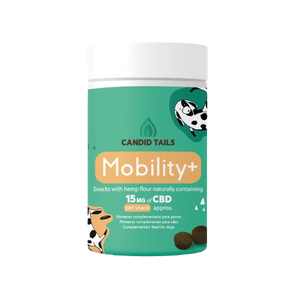
Yes. Mobility and Mobility+ Snacks can be part of a daily routine to support mobility and joint wellbeing.
Can I combine the oil and Mobility Snacks?
Yes, they can be used together, keeping in mind the total daily amount your dog receives.
NATURAL